High Visible Region Transmittance
The double-sided anti-reflective structure raises optical transmittance across the visible wavelength range.
AR / ITO
Multilayer Hard Optical Coating on ITO
The double-sided AR coated ITO glass developed by TEKNOMA combines a transparent conductive ITO layer with multilayer hard optical coatings applied to both faces of the optical window. This structure increases light transmittance in the visible region, reduces surface reflections, and preserves the electrical function of the ITO layer.
The product has been developed for camera and imaging systems, sensor windows, optical protective glasses, and various optoelectronic platforms that require high visibility. Since the ITO layer can also serve as a transparent heater and an electromagnetic shielding layer, it delivers multiple functions on a single optical window.
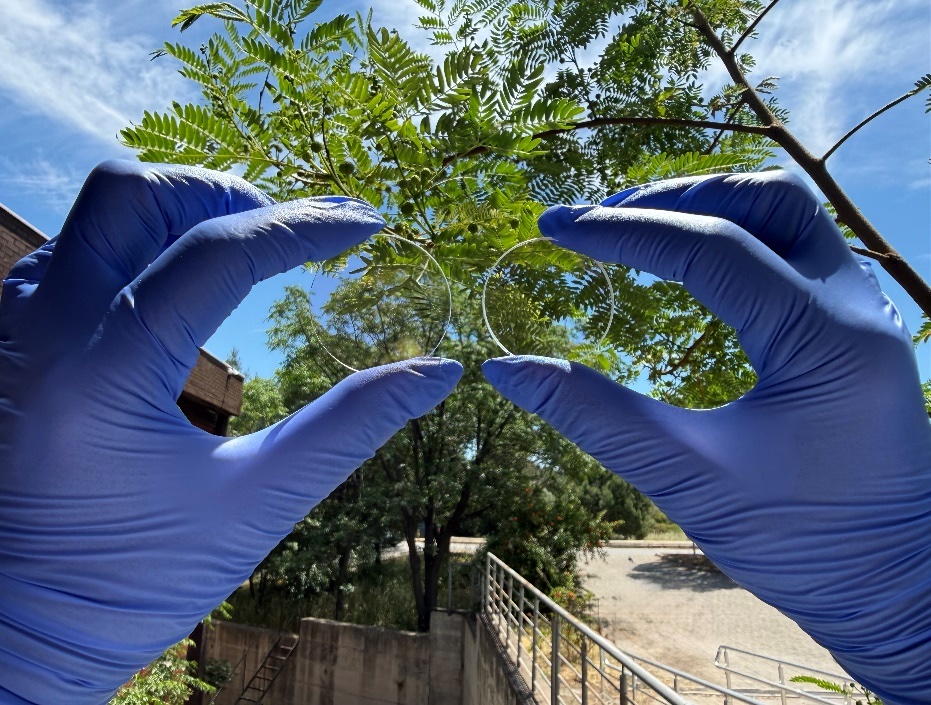
The double-sided anti-reflective structure raises optical transmittance across the visible wavelength range.
Reducing reflections on both faces improves image clarity and optical efficiency.
Optical performance is improved while the electrical conductivity of the ITO layer is preserved.
The same structure can be used as an optical window, a transparent heater, and an electromagnetic shielding solution.
The magnetron sputtering method provides controlled layer thickness and high coating uniformity.
The layers can be optimized according to substrate type, target wavelength range, and application requirements.
The base product structure is AR / Glass / ITO / AR. The ITO coating gives the optical window electrical conductivity, while the multilayer hard anti-reflective coatings on both faces reduce reflections at the air-glass interfaces. This results in higher optical transmittance and lower visible surface reflection compared to ITO coated glass alone.
The coating design can be remodelled for the target wavelength range depending on operating conditions. Production is carried out with high repeatability using high vacuum magnetron sputtering and ion beam sputtering infrastructure.
Base product structure
The coating system can be customized for different optical and industrial substrates. The main substrates evaluated and applied within the current scope of work are listed below:
The double-sided anti-reflective coating reduces glare and reflections on the surface, allowing the background to be perceived more clearly.
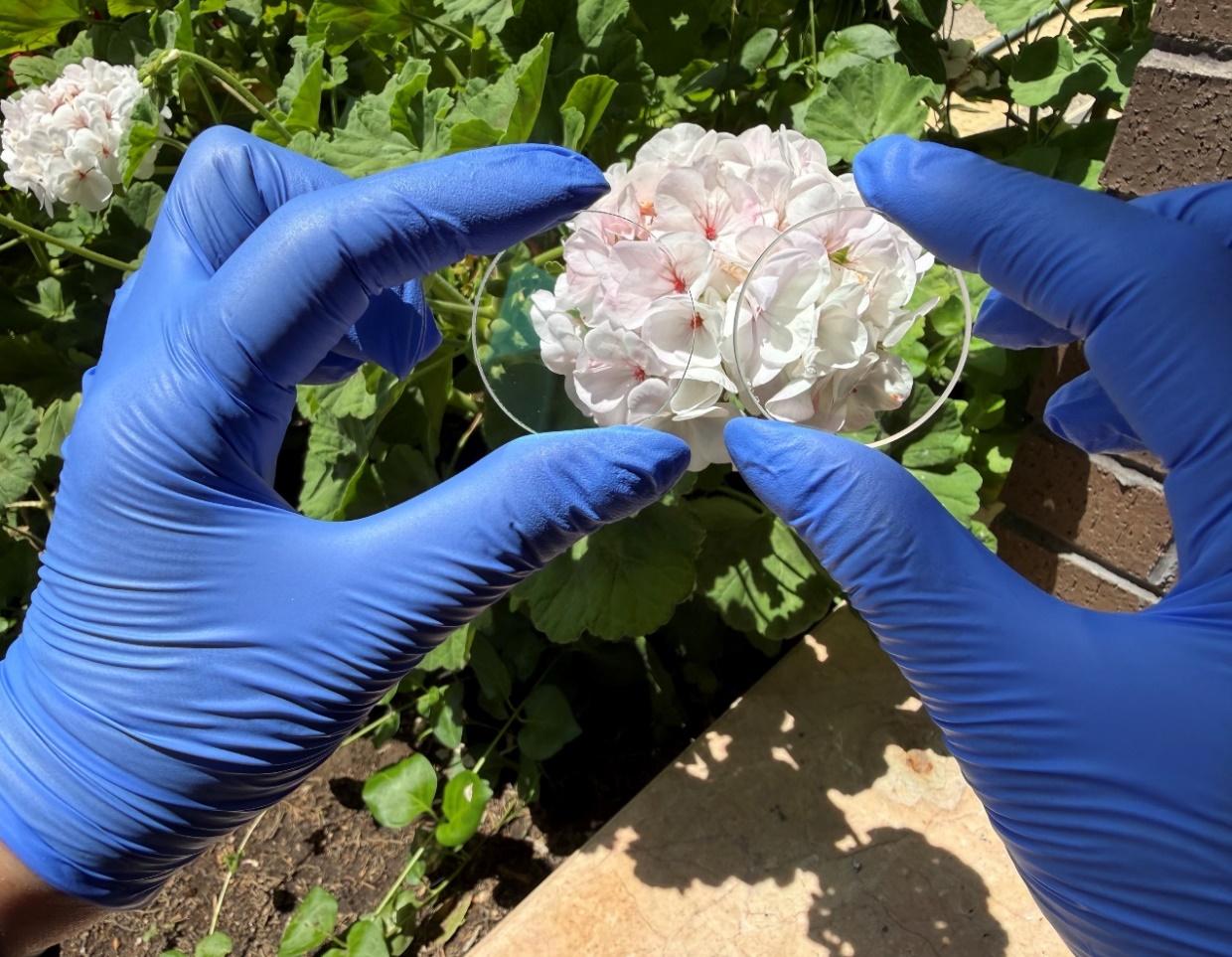
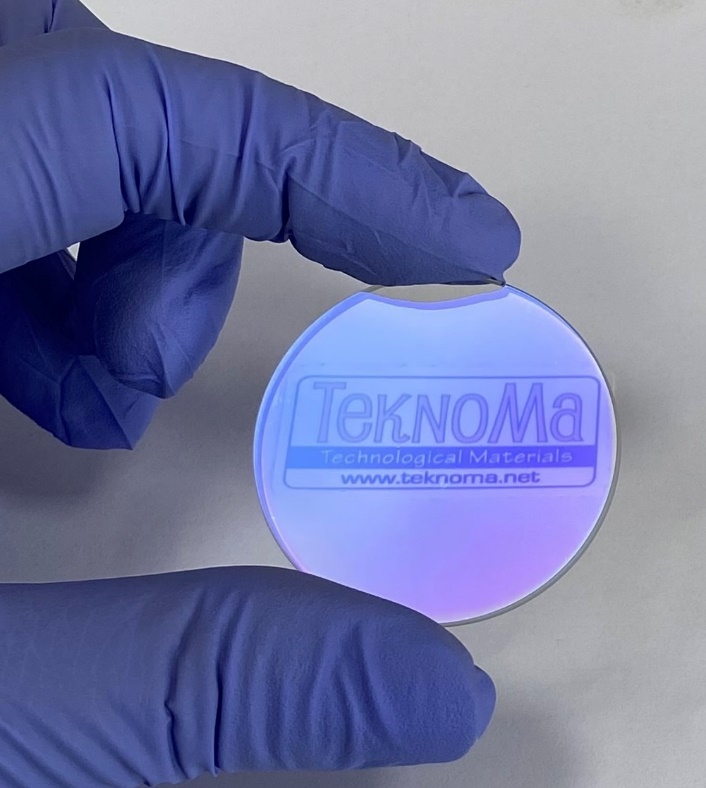
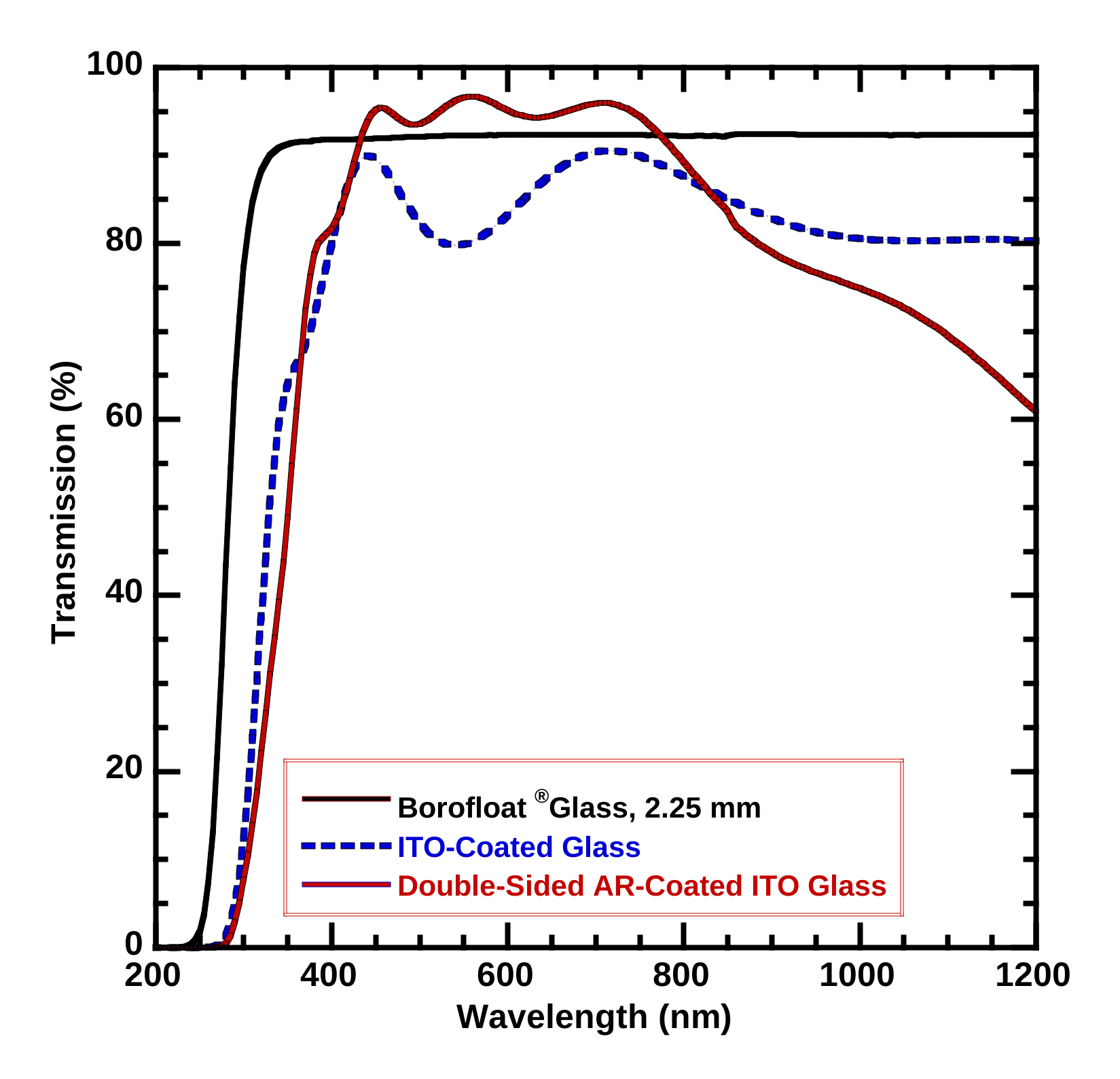
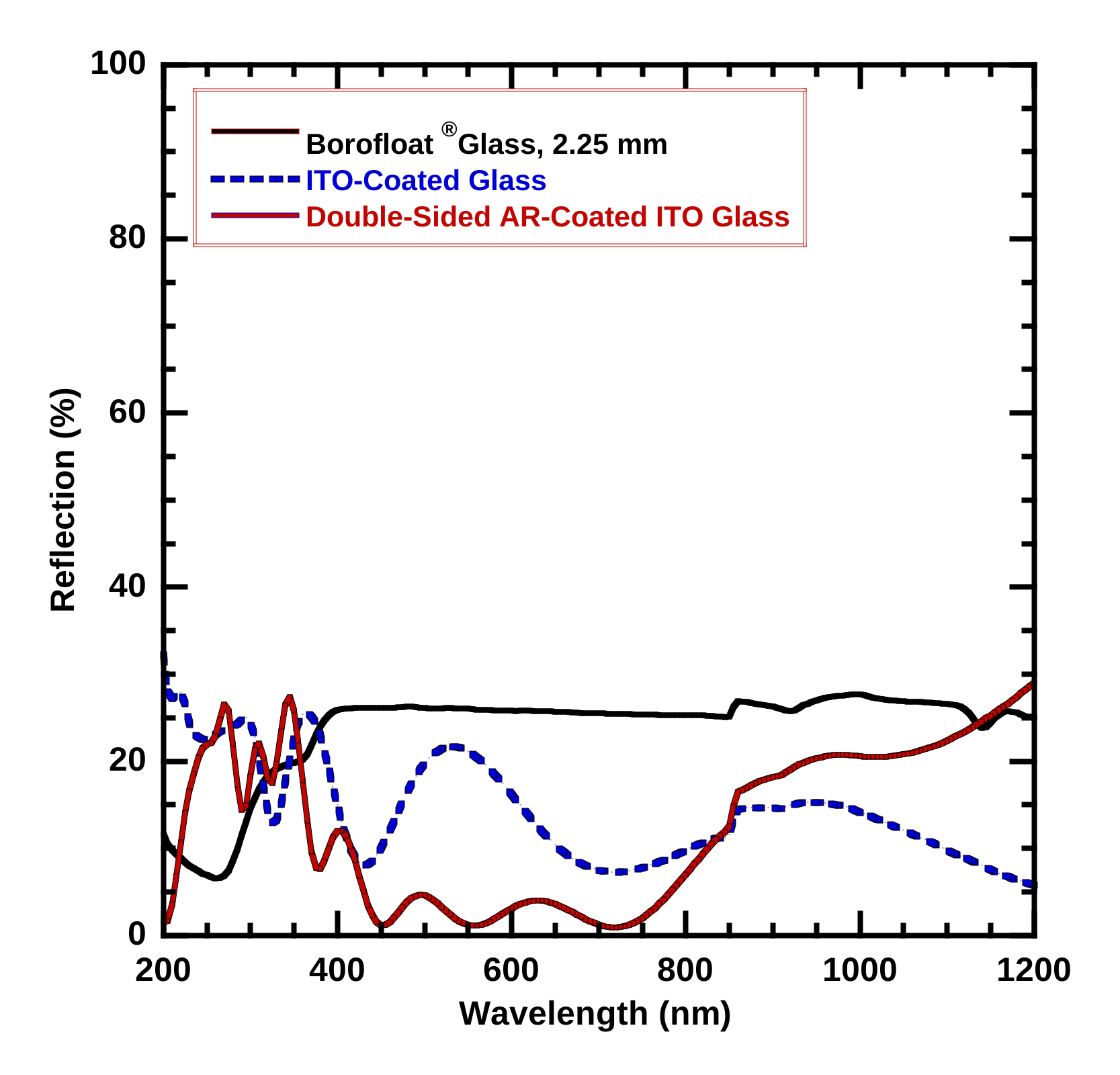
The spectra below compare uncoated Schott Borofloat® glass (BS), ITO coated glass (BS/ITO), and double-sided anti-reflective coated ITO glass (AR/BS/ITO/AR). The double-sided anti-reflective coating raises transmittance in the visible region while reducing reflection.
| Optical Performance | Value |
|---|---|
| Average transmittance (400–700 nm) | 93.97% |
| Transmittance (@550 nm) | 96.64% |
| Average reflection (400–700 nm) | 3.51% |
| Reflection (@550 nm) | 1.20% |
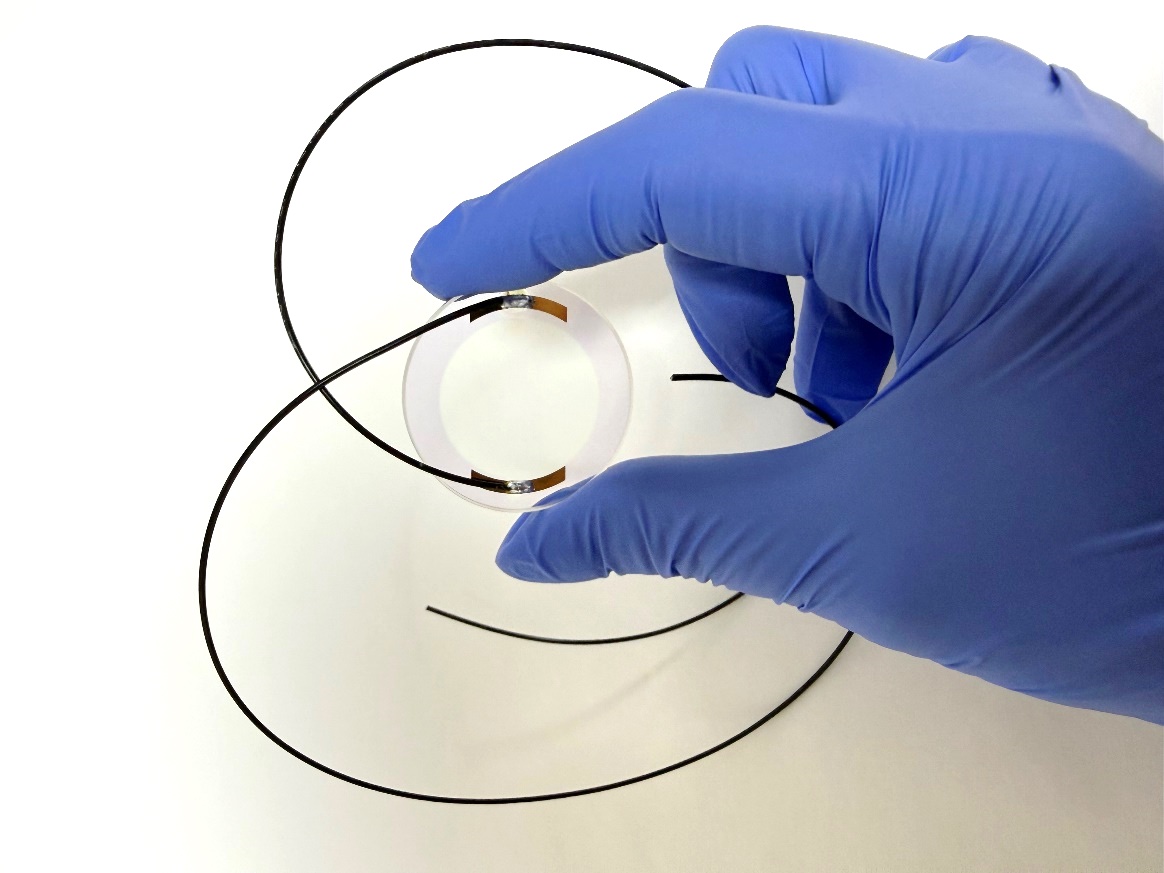
When Au electrodes are integrated onto ITO glass with a double-sided hard anti-reflective coating, electric current is passed through the ITO layer to provide controlled resistive heating on the surface. This feature can be used to remove or prevent fogging and icing that may form on the optical window.
The transparent heater function offers a high-visibility solution for camera windows, sensors, defense and aerospace systems, and optical assemblies operating in outdoor conditions.
Thanks to its electrical conductivity, the ITO layer can also provide electromagnetic shielding of over -20 dB while preserving optical transmittance. The optical window can therefore be used not only for image transmission but also to protect sensitive electronic and optical components from electromagnetic effects.
TEKNOMA can customize the product according to substrate material, glass size, target wavelength range, optical transmittance, reflection, and electrical performance requirements.
Optical modelling, coating development, and characterization support are provided for needs ranging from prototype production to large area coatings.
Contact TEKNOMA for double-sided AR coated ITO glass solutions tailored to your project.